

The 7 Deadliest Predators on Earth
In the shadows of jungles, beneath dark ocean waters, and across silent rivers, nature hides predators capable of ending human life within seconds. These are not merely hunters — they are living weapons shaped by millions of years of evolution.
Welcome to Savorooo, where wildlife becomes cinematic and survival stories come alive. In this 2026 special feature, we explore the seven most dangerous predators to humans on Earth. From silent ambush hunters to unstoppable apex predators, these creatures command fear, respect, and fascination across the globe.
Level 7 — Great White Shark
The Great White Shark is one of the ocean's most feared predators. With rows of razor-sharp teeth and explosive speed, it dominates coastal waters worldwide. Most attacks occur due to mistaken identity, but when a Great White strikes, the damage can be catastrophic.

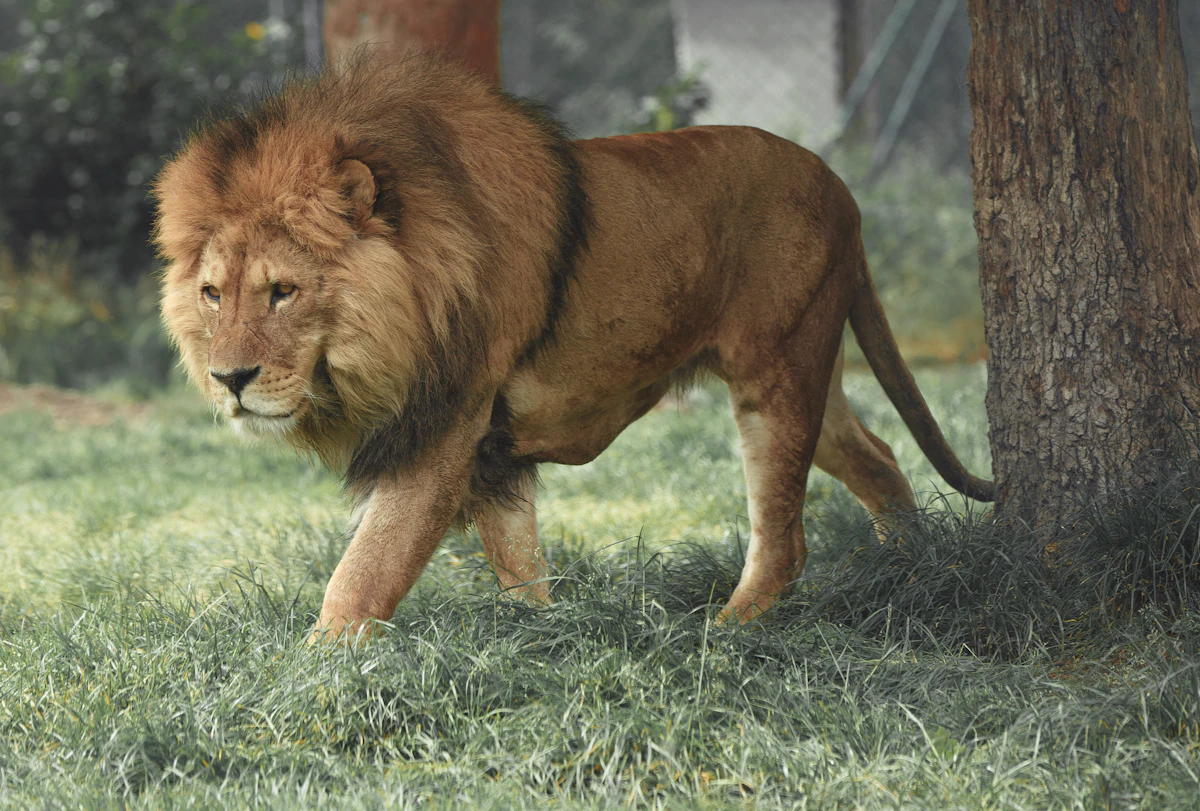
Level 6 — African Lion
Lions are powerful social hunters capable of coordinated attacks. Although humans are not their preferred prey, certain lions have historically hunted humans, especially in remote regions where food becomes scarce.
Level 5 — Saltwater Crocodile
The Saltwater Crocodile is considered one of the most aggressive predators alive. It waits motionless beneath the water before launching devastating ambush attacks with incredible jaw strength.

Level 4 — Polar Bear
Unlike many predators, Polar Bears may actively view humans as prey in isolated Arctic environments. Their immense size, intelligence, and ability to track scents over huge distances make them extraordinarily dangerous.

Level 3 — Tiger
Tigers are solitary predators known for stealth and overwhelming force. Certain individuals, especially injured or aging tigers, have historically become man-eaters in parts of Asia.
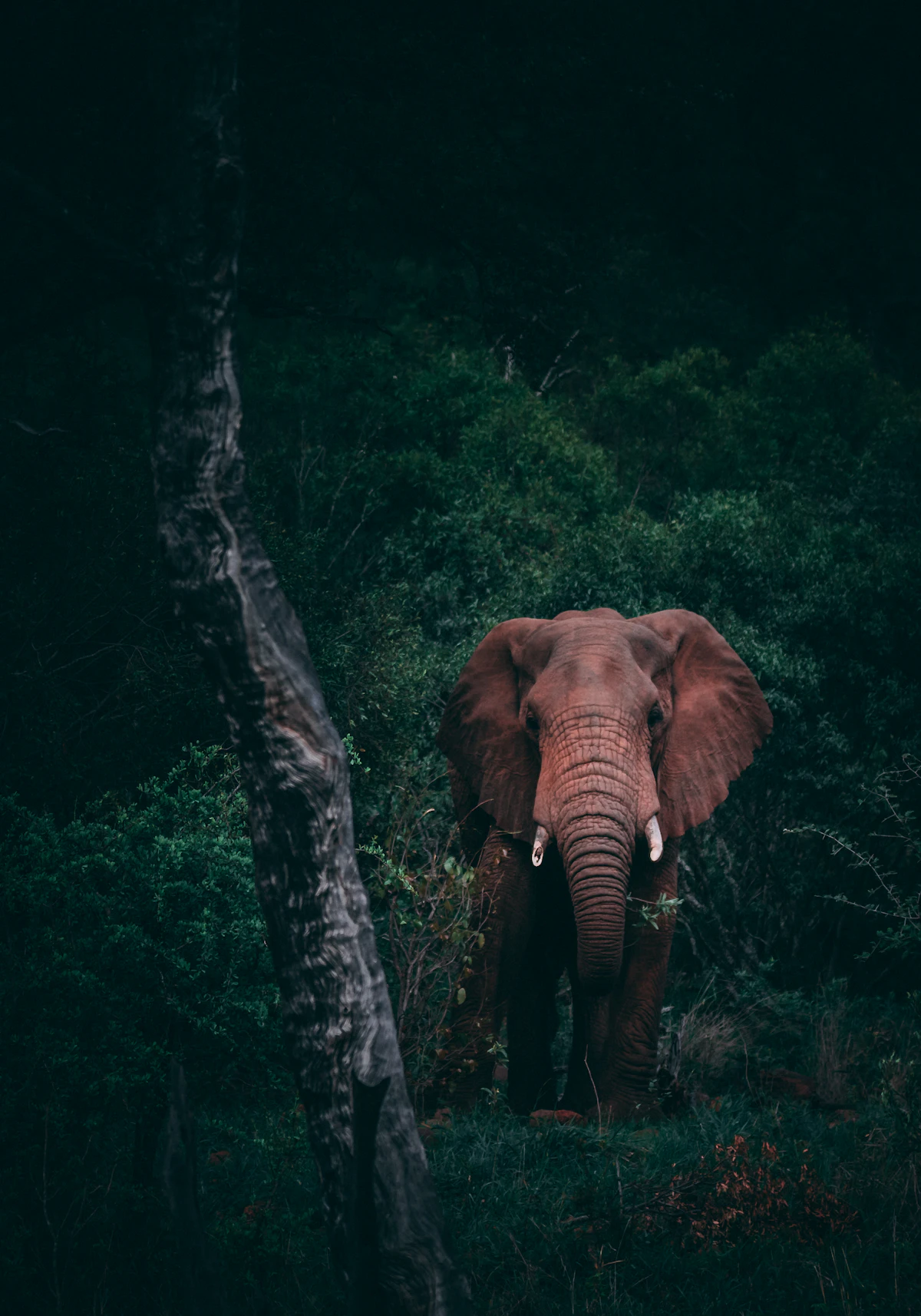
Level 2 — Hippopotamus
Although herbivorous, hippos are extremely territorial and responsible for hundreds of deaths every year in Africa. Their aggression, speed, and crushing bite make them one of the continent's deadliest animals.

Level 1 — Nile Crocodile
The Nile Crocodile is widely regarded as one of the deadliest predators to humans on Earth. Silent, patient, and terrifyingly powerful, it attacks near riverbanks with explosive force before dragging prey underwater.

"Nature does not create monsters. It creates survivors. These predators are the result of perfect adaptation in a world where hesitation means death." — Savorooo Wildlife Perspective, 2026
Predator Comparison Table
| Predator | Main Habitat | Danger Level | Primary Threat |
|---|---|---|---|
| Great White Shark | Oceans | High | Sudden underwater attacks |
| African Lion | Savanna | High | Pack ambush hunting |
| Saltwater Crocodile | Rivers & Coasts | Extreme | Ambush drowning attacks |
| Polar Bear | Arctic | Extreme | Predatory behavior toward humans |
| Tiger | Jungles | Extreme | Stealth attacks |
| Hippopotamus | Rivers | Extreme | Territorial aggression |
| Nile Crocodile | African rivers | Maximum | High fatality ambushes |
Conclusion
The deadliest predators on Earth are not evil creatures — they are products of evolution, survival, and instinct. Understanding them helps humans respect nature rather than underestimate it.
From the oceans to frozen wastelands, these hunters remind us that the wilderness still belongs to forces far older and more powerful than civilization itself.
Scientific Sources & Wildlife References
-
National Geographic Wildlife Research (2025–2026)
Source: https://www.nationalgeographic.com/animals -
World Wildlife Fund — Predator Conservation Reports
Source: https://www.worldwildlife.org -
Smithsonian National Zoo — Animal Behavior Research
Source: https://nationalzoo.si.edu -
IUCN Red List Species Database (2026)
Source: https://www.iucnredlist.org -
Journal of Wildlife Ecology & Predator Behavior Studies
Source: https://esajournals.onlinelibrary.wiley.com
