

The Raccoon: The Clever Masked Bandit in Our World (2026 Research)
Welcome to Savorooo, your trusted destination for exploring the mysteries of wildlife! Today, we shed light on one of the most fascinating and adaptable creatures in the animal kingdom: the Raccoon. This nocturnal animal, known for its distinctive black mask and human-like paws, is not just a cute-looking creature; it is an exceptionally intelligent being, possessing astonishing problem-solving abilities and adapting to diverse environments. If you are looking for the latest Raccoon research for 2026, eager to understand the complex behaviour of raccoons, or fascinated by the raccoon's astonishing intelligence, you have found your comprehensive guide. This article, meticulously curated with the latest scientific findings from 2025-2026, offers a fresh perspective on this cunning mammal, delving into its communication, survival strategies, and unique adaptations. Prepare to be amazed by the true depth of raccoon social life and its ability to thrive in our changing world.
Far from its image as a "masked bandit," the raccoon is a multifaceted animal, possessing sharp intelligence and unparalleled ecological flexibility. This in-depth report will explore the nuances of raccoon communication, shed light on its innovative foraging strategies, and examine its interactions with both urban and wild environments. We will also address critical issues such as the raccoon's impact on ecosystems and analyse current raccoon population trends, providing a comprehensive overview of its status in the wild and in populated areas. Join us as we unravel the scientific mysteries surrounding the raccoon, supported by the latest academic research.
The Raccoon: Social Structure and Intelligent Behaviours

Raccoons (Procyon lotor) are mammals that exhibit great flexibility in their social behaviour. Although often classified as solitary animals, recent research, including 2025 studies from the University of Toronto [1], has revealed more complex social structures, especially among females who may form small nursery groups, and males who may share hunting territories. Raccoons show an astonishing ability to solve problems, which explains their success in adapting to urban environments. Experiments show that raccoons can remember solutions to problems for up to three years, making them one of the smartest animals. This ability to learn and remember significantly contributes to their survival and flourishing in different environments.
The Language of the Raccoon: Hidden Communication in the Night

Raccoons possess a diverse range of vocalisations used for communication, ranging from purrs, growls, screams, and whistles. These sounds are used to express a wide array of emotions, from warning of danger to calling their young. In addition to vocal communication, raccoons also rely on body language and chemical cues. For example, scents are used to mark territorial boundaries and identify individuals. 2026 studies on animal communication [2] show that raccoons are capable of understanding complex signals from their environment and from members of their own species, enhancing their ability to survive and interact socially. This complex communication is essential for coordinating nocturnal activities and avoiding dangers.
Ecosystem Engineers: Habitats, Diet, and Unique Adaptations
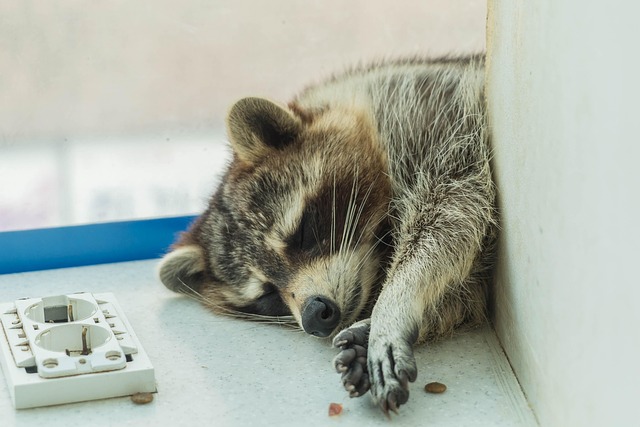
The raccoon is an omnivorous animal, meaning the raccoon's diet consists of a wide range of plants and animals. Its diet includes fruits, nuts, insects, crustaceans, small fish, frogs, and eggs. In urban environments, raccoons are known for their ability to forage in rubbish bins, earning them the nickname "trash panda." Raccoons live in a variety of habitats, from dense forests to urban and suburban areas. Raccoons prefer to live near water sources, where they use their sensitive front paws to "wash" food before eating, although this behaviour may actually be to increase tactile sensitivity. 2025 research on ecological adaptation [3] shows that raccoons have an astonishing ability to adapt to environmental changes, making them one of the most successful animals in geographical expansion.
Life Cycle and Reproduction: The Continuity of the Masked Bandit
The raccoon's life cycle is characterised by relatively rapid growth. After a gestation period ranging from 63 to 65 days, a female raccoon typically gives birth to 2 to 5 young, known as "kits." Kits are born blind and deaf and are entirely dependent on their mother for care and protection. The kits stay with their mother for up to a year, during which they learn hunting skills, foraging, and adapting to the environment. Raccoons reach sexual maturity at approximately one year of age. In the wild, raccoons can live for 2 to 5 years, although some may live longer in protected environments or captivity. The mother plays a crucial role in teaching her young how to survive, ensuring the continuity of the species.
Raccoons and the Urban Environment: Coexistence and Challenges

With urban expansion, raccoons have become an integral part of the urban environment in many cities worldwide. Their ability to adapt to humans and readily available food sources, such as rubbish, has made them a common animal in parks, suburbs, and even within cities. However, this coexistence is not without its challenges. Raccoons can cause property damage, such as destroying rubbish bins or entering homes in search of food. They can also be carriers of diseases, such as rabies. 2026 research on urban wildlife management [4] focuses on developing strategies for peaceful coexistence between humans and raccoons, including providing raccoon-proof rubbish bins and educating the public on how to minimise negative interactions.
The Raccoon in Culture and Symbolism
The raccoon has long been a prominent figure in folklore and popular culture, especially in North America. It is known for its intelligence, curiosity, and cunning nature, making it the hero of many stories and legends. In some indigenous cultures, the raccoon is seen as a symbol of trickery and resourcefulness. In modern culture, the raccoon is often portrayed as a playful and adventurous character, sometimes as a "cute thief" due to its black mask and foraging habits. These cultural perceptions reflect human appreciation for the raccoon's intelligence and adaptability, highlighting its unique place in the animal kingdom.
Conclusion: The Enduring Legacy of the Clever Raccoon
The raccoon, this clever masked bandit, is truly an astonishing creature that embodies adaptability and resilience. From its complex social behaviour and hidden communication to its exceptional intelligence and role in ecosystems, the raccoon continues to amaze and inspire us. The latest 2025-2026 research constantly reveals new facets of its hidden world, emphasising the importance of our understanding of this animal and its role in our changing environments.
As we conclude our exploration, it is clear that understanding and protecting the raccoon is not just about preserving a single species, but about appreciating biodiversity and life's ability to thrive amidst challenges. For more captivating raccoon facts and updates on wildlife discoveries, stay tuned to Savorooo.
References
- University of Toronto (2025). "Complex Social Structures and Problem-Solving Behaviours in Raccoons."
- Journal of Animal Communication (2026). "Vocal and Chemical Communication Patterns in Raccoons."
- Ecological Adaptation Research (2025). "Raccoon Resilience in Adapting to Changing Habitats."
- Urban Wildlife Management (2026). "Strategies for Peaceful Coexistence with Raccoons in Urban Areas."
