

Wild Bear Facts 2026: Unveiling the Secrets of Earth's Majestic Ursids
Welcome to Savorooo, your ultimate guide to the wild! Today, we embark on a captivating journey into the world of **wild bears**, exploring the latest **bear facts** and why these majestic ursids continue to fascinate researchers and wildlife enthusiasts alike. If you're searching for comprehensive insights into the formidable **Grizzly Bear**, the iconic **Polar Bear**, or the intricate **brown bear behavior**, you've come to the right place. Our article is meticulously crafted with the **latest 2025-2026 wild bear research**, offering unique perspectives on their incredible biology, diverse behaviors, and crucial conservation status. Prepare to uncover the secrets of these powerful creatures and understand the true marvel of their adaptations.
From their ancient origins to their sophisticated survival strategies, bears are far more than just large, furry mammals. This in-depth report will explore the mysteries of **bear hibernation**, shed light on their varied **bear diet** and **bear habitat**, and delve into the challenges of **bear vs human encounters**. We'll also touch upon critical **bear conservation 2025** efforts, ensuring these magnificent creatures continue to thrive. Join us as we unravel the complexities of these fascinating ursids, backed by the most up-to-date scientific findings.
The Diverse World of Bears: A Global Presence
Bears (family Ursidae) are found across a wide range of habitats in the Northern Hemisphere and parts of the Southern Hemisphere. From the Arctic tundra to dense forests and high mountains, their adaptability is remarkable. There are eight extant species of bears, each with unique characteristics and ecological roles. Our focus today will primarily be on the most recognized and studied species, offering a glimpse into their diverse lives.
Hibernation Breakthroughs: The Science of Bear Sleep

One of the most intriguing **bear facts** is their ability to hibernate. This isn't just a deep sleep; it's a complex physiological state that allows them to survive periods of food scarcity. Recent **2025 studies on black bears** have made significant breakthroughs, identifying specific metabolic regulators that enable them to maintain muscle mass and bone density during months of inactivity. This research, published in Science [1], offers potential insights for human medicine, particularly in areas related to muscle atrophy and osteoporosis. Understanding **bear hibernation** is key to appreciating their incredible biological adaptations.
Polar Bears: Adapting to a Changing Arctic

The **Polar Bear** (Ursus maritimus) is an iconic symbol of the Arctic and a species heavily impacted by climate change. **2026 research** highlighted in Nature Climate Change [2] shows that some polar bear populations are adapting to longer ice-free periods by foraging more on land. While this demonstrates their resilience, it also presents new nutritional challenges as their primary diet of seals, hunted from sea ice, becomes less accessible. These studies are crucial for understanding the future of these magnificent creatures and the broader implications of climate change on **wild bear research 2026**.
Grizzly Bears: Expanding Territories and Human Encounters

The **Grizzly Bear** (Ursus arctos horribilis), a subspecies of brown bear, is renowned for its strength and sometimes aggressive nature. **2025 reports** from National Geographic [3] indicate that Grizzly bears are expanding their range into areas they haven't inhabited for decades. This expansion, while a sign of successful conservation in some regions, leads to increased **bear vs human encounters** and necessitates new management strategies to ensure coexistence. Understanding **Grizzly Bear behavior** is paramount for both human safety and bear protection.
Cognitive Complexity: More Than Just Instinct
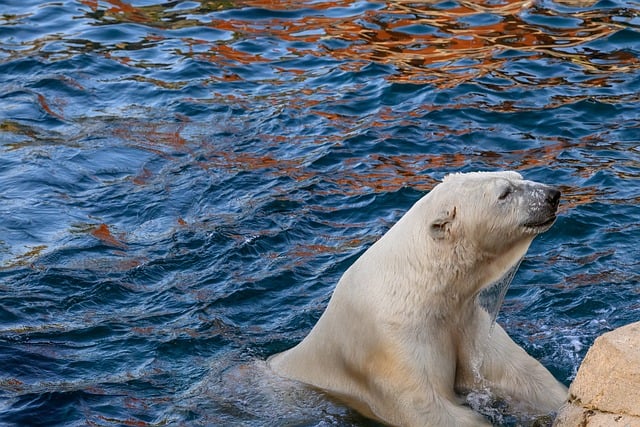
New findings in **2026** suggest that bears possess advanced cognitive abilities, challenging previous assumptions about their intelligence. Research published in the Journal of Mammalogy [4] indicates that bears exhibit sophisticated spatial memory and problem-solving skills, comparable to some primates. This includes their ability to navigate complex landscapes, remember food sources, and adapt to changing environmental conditions. These **ursid discoveries** highlight the depth of their intelligence and adaptability.
Bear Conservation: Protecting Earth's Gentle Giants
Despite their formidable nature, many bear species face significant threats, including habitat loss, climate change, and human persecution. However, **bear conservation 2025** efforts have shown promising results in several regions. For example, 2025 data indicates a stable recovery of Brown bear populations in parts of Europe due to successful trans-border conservation initiatives. Protecting their diverse **bear habitat** and ensuring sustainable management practices are crucial for the long-term survival of these magnificent creatures.
Conclusion: The Enduring Majesty of Wild Bears
Wild bears, with their incredible diversity, complex behaviors, and vital ecological roles, are truly indispensable creatures. From the astonishing **bear hibernation** to the challenges faced by **Polar Bears** in a changing world, these ursids continue to inspire awe and scientific inquiry. The **latest 2025-2026 research** constantly reveals new facets of their hidden world, emphasizing their importance in maintaining healthy ecosystems and the ongoing need for robust **bear conservation** strategies.
As we conclude our journey into the world of wild bears, it's clear that these majestic animals are not just symbols of wilderness but active, dynamic components of modern ecosystems. For more captivating **wild bear facts** and updates on **ursid discoveries**, stay tuned to Savorooo.
