

Top 5 Fiercest Animals in the Wild: Unveiling Earth's Deadliest Predators (2026)
Welcome to Savorooo, your premier source for captivating wildlife insights! Today, we embark on a thrilling journey to uncover the **top 5 fiercest animals in the wild**. These aren't just powerful creatures; they are the **deadliest predators** and the **most aggressive animals** on Earth, renowned for their formidable defenses and unpredictable nature. Our exploration is backed by the **latest 2025-2026 research**, offering fresh perspectives on why these apex predators command such respect and fear in their natural habitats. If you're searching for in-depth facts about **dangerous animals** or curious about **wild animal encounters**, prepare to be amazed by the raw power and survival instincts of these incredible beasts.
From the dense jungles to the vast savannas, these creatures have evolved to dominate their environments, showcasing remarkable adaptations for survival and predation. This article delves into the unique characteristics that make each of them a formidable force, providing essential knowledge for wildlife enthusiasts and anyone interested in the untamed side of nature. Join us as we reveal the true kings and queens of ferocity, armed with the most up-to-date information to satisfy your curiosity about the **most aggressive animals in the world**.
1. The Hippopotamus: Africa's Unpredictable Giant

Often underestimated due to their seemingly placid demeanor, the **Hippopotamus** (Hippopotamus amphibius) consistently ranks among the **fiercest animals in the wild**. These massive semi-aquatic mammals are responsible for more human fatalities in Africa than any other large animal. Their aggression is legendary, particularly when defending their territory or young. Recent 2026 reports from Reolink highlight their tendency to charge without provocation, making them far more dangerous than traditionally feared predators like lions [1].
Hippos possess immense strength, razor-sharp teeth, and an incredibly powerful bite. They can run surprisingly fast on land and are equally formidable in water. Their unpredictable nature and territorial instincts make them a significant threat to anything that ventures too close to their aquatic domains. Understanding **Hippopotamus attacks** is crucial for anyone exploring African waterways.
2. The Saltwater Crocodile: The Apex Reptile

The **Saltwater Crocodile** (Crocodylus porosus) is the largest living reptile and an undisputed **deadliest predator**. Found in coastal waters and rivers across Southeast Asia and Northern Australia, these ancient hunters are masters of ambush. Their powerful jaws deliver the strongest bite force of any animal on Earth, capable of crushing bone with ease. Live Science's 2024 data confirms their status as the most dangerous reptiles to humans, a testament to their efficiency and ferocity [2].
Saltwater crocodiles are highly territorial and will attack almost anything that enters their domain, including humans, livestock, and even sharks. Their stealthy approach and explosive attack make escape nearly impossible once they have locked onto their prey. The sheer power behind a **Saltwater Crocodile bite force** is a chilling reminder of their predatory prowess.
3. The African Buffalo: The Black Death

Known ominously as ‘The Black Death’ or ‘Widowmaker,’ the **African Buffalo** (Syncerus caffer) is a formidable force in the African wilderness. These massive bovines are notoriously unpredictable and aggressive, responsible for more hunter deaths in Africa than any other animal. They are known for their cunning and tendency to circle back and ambush their pursuers, making them incredibly dangerous opponents. Their sheer size, powerful horns, and herd mentality contribute to their fearsome reputation. Understanding **African Buffalo aggression** is vital for survival in their territories.
4. The Honey Badger: Fearless and Ferocious
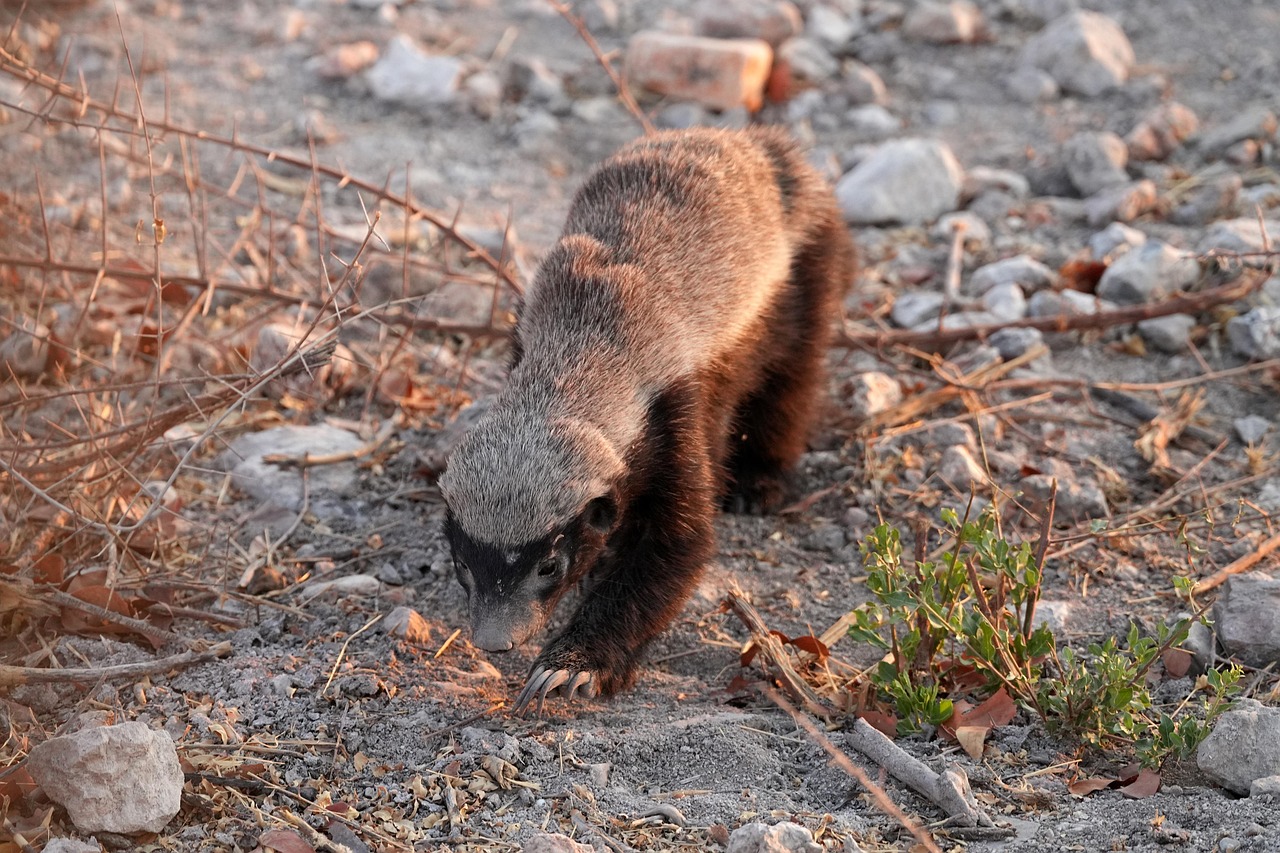
Despite its relatively small size, the **Honey Badger** (Mellivora capensis) has earned a fearsome reputation, even being listed in the Guinness Book of World Records as the "most fearless animal." These tenacious creatures are known for their incredible aggression and ability to take on animals much larger than themselves, including lions and hyenas. Their thick, loose skin, sharp claws, and powerful jaws make them incredibly difficult to subdue. Recent 2025 observations confirm their unwavering determination and ability to fend off formidable predators through sheer **Honey Badger ferocity** [3].
Honey badgers are highly intelligent and resourceful, capable of using tools and adapting to various environments. Their diet is diverse, ranging from insects and rodents to venomous snakes, which they often tackle with surprising ease. Their fearlessness and aggressive defense mechanisms make them a truly formidable presence in the wild.
5. The African Elephant: Gentle Giant with a Dangerous Temper

The **African Elephant** (Loxodonta africana), the largest land animal, is generally known for its intelligence and gentle nature. However, when provoked, threatened, or during periods of 'musth' (a periodic condition in male elephants characterized by highly aggressive behavior), they can become incredibly dangerous. Their immense size, strength, and tusks make them capable of causing significant damage. Recent 2025-2026 reports highlight an increase in **human-elephant conflicts** as habitats shrink, underscoring the potential **African Elephant danger** [4].
An aggressive elephant can charge at speeds up to 40 km/h (25 mph), trampling anything in its path. Female elephants are fiercely protective of their calves and will not hesitate to attack perceived threats. Their sheer power and unpredictable bursts of aggression secure their place among the fiercest animals in the wild.
Conclusion: Respecting the Wild's Raw Power
The wilderness is a realm of breathtaking beauty and formidable power. The **top 5 fiercest animals in the wild** – the Hippopotamus, Saltwater Crocodile, African Buffalo, Honey Badger, and African Elephant – each represent a unique facet of nature's raw strength and survival instincts. Understanding their behaviors, habitats, and the reasons behind their aggression is not just fascinating; it's crucial for coexistence and conservation.
As we continue to explore and learn about these magnificent creatures, the **latest 2025-2026 research** consistently reminds us of their vital role in ecosystems and the importance of respecting their space. Whether it's the stealthy ambush of a crocodile or the unpredictable charge of a hippo, these animals are a testament to the enduring power of the wild. For more insights into **deadliest predators** and **most aggressive animals**, keep following Savorooo.
