

Crocodile Facts 2026: Unveiling the Apex Predators of the Aquatic World
Welcome to Savorooo, your ultimate guide to the wild! Today, we dive deep into the fascinating world of **crocodiles**, exploring the latest **crocodile facts** and why these ancient reptiles continue to dominate their aquatic realms. If you're searching for comprehensive insights into **deadliest reptiles**, the formidable **Saltwater Crocodile**, or the majestic **Nile Crocodile**, you've come to the right place. Our article is meticulously crafted with the **latest 2025-2026 research**, offering unique perspectives on their incredible biology, behavior, and conservation status. Prepare to uncover the secrets of these **apex predators 2026** and understand the true power behind their legendary **crocodile bite force**.
From their evolutionary history to their crucial role in ecosystems, crocodiles are more than just fearsome hunters. This in-depth report will distinguish between **crocodile vs alligator**, shed light on their remarkable **crocodile lifespan**, and delve into their diverse **crocodile habitat** and **crocodile diet**. We'll also touch upon critical **crocodile conservation 2025** efforts, ensuring these magnificent creatures continue to thrive. Join us as we unravel the mysteries of these captivating crocodilians, backed by the most up-to-date scientific findings.
The Ancient Lineage: A Glimpse into Crocodile Evolution
Crocodiles are living fossils, having roamed the Earth for over 200 million years. Their evolutionary success is a testament to their highly efficient design and adaptability. Modern research, including studies from 2025, continues to refine our understanding of their ancient lineage, revealing how they have survived numerous mass extinctions that wiped out other dominant species. Their ability to thrive in diverse aquatic environments, from freshwater rivers to saltwater estuaries, showcases their incredible resilience.
Unrivaled Power: The Legendary Crocodile Bite Force

One of the most awe-inspiring **crocodile facts** is their unparalleled bite force. The Saltwater Crocodile, in particular, holds the record for the strongest bite ever measured in a living animal, exceeding an astonishing 3,700 pounds per square inch (psi). This immense power allows them to crush the bones of their prey with ease. This incredible adaptation is a key factor in their status as **apex predators**, enabling them to take down large mammals and other formidable creatures. Understanding the mechanics of their jaws and teeth provides insight into why they are considered among the **deadliest reptiles**.
Beyond the Bite: Complex Social Behaviors and Intelligence
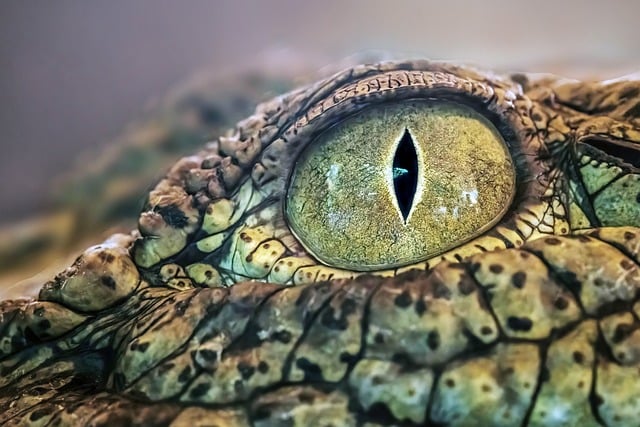
While often perceived as solitary and primitive, recent **2025 research** has unveiled a more complex social side to crocodiles. Studies published in National Geographic in 2025 [1] highlight that crocodiles exhibit sophisticated social behaviors, including cooperative hunting strategies where multiple individuals work together to ambush larger prey. Furthermore, parental care extends far beyond hatching, with mothers often protecting their young for several years. This challenges older notions and paints a picture of highly intelligent and socially interactive creatures, making them even more fascinating subjects for **crocodilian research**.
Crocodile vs. Alligator: Understanding the Differences
A common question among wildlife enthusiasts is the distinction between **crocodile vs alligator**. While both are large, semi-aquatic reptiles belonging to the order Crocodilia, there are several key differences:
| Feature | Crocodile | Alligator |
|---|---|---|
| Snout Shape | V-shaped, more pointed | U-shaped, broader and rounder |
| Teeth Visibility | Upper and lower teeth visible when mouth is closed (especially the 4th lower tooth) | Only upper teeth visible when mouth is closed |
| Habitat | Primarily saltwater and brackish water, some freshwater | Primarily freshwater |
| Geographic Range | Africa, Asia, Americas, Australia | North America (USA, China) |
| Aggression | Generally more aggressive and unpredictable | Generally less aggressive, more timid |
These distinctions, as detailed by sources like Live Science [3], are crucial for accurate identification and understanding the ecological roles of these magnificent reptiles.
Habitat, Diet, and Lifespan: A Life in the Water

The **crocodile habitat** is incredibly diverse, ranging from the vast rivers of Africa to the coastal mangroves of Australia. Their diet is equally varied, making them opportunistic hunters. As **apex predators**, their **crocodile diet** includes fish, birds, mammals, and other reptiles. They play a vital role in maintaining the health of their ecosystems by controlling prey populations.
Regarding **crocodile lifespan**, many species can live for several decades in the wild. Nile crocodiles, for instance, are known to live for 70 to 100 years, a testament to their robust physiology and successful survival strategies. This longevity allows them to reach impressive sizes, further solidifying their position at the top of the food chain.
Conservation Challenges and Triumphs (2025-2026)

Despite their fearsome reputation, many crocodile species face significant threats, primarily from habitat loss, poaching, and human-wildlife conflict. However, **crocodile conservation 2025** efforts have shown promising results in several regions. For example, the strict protection laws in Northern Australia have led to a significant recovery of Saltwater crocodile populations, as noted in 2025 reports from the IUCN Red List [4].
A critical challenge highlighted by Nature in 2026 is the impact of climate change on crocodile populations [2]. Rising temperatures can affect the sex ratio of hatchlings, potentially leading to an imbalance that threatens future generations. Ongoing research and conservation initiatives are vital to ensure the long-term survival of these magnificent **dangerous reptiles**.
Conclusion: The Enduring Legacy of Crocodilians
Crocodiles stand as enduring symbols of power, resilience, and evolutionary success. From their incredible **crocodile bite force** to their newly understood complex social structures, these **apex predators** continue to captivate and educate us. The **latest 2025-2026 research** provides deeper insights into their lives, emphasizing their ecological importance and the ongoing need for robust **crocodile conservation** strategies.
As we conclude our journey into the world of crocodilians, it's clear that these **deadliest reptiles** are not just survivors from a bygone era but active, dynamic components of modern ecosystems. For more fascinating **crocodile facts** and updates on **wild animal encounters**, stay tuned to Savorooo.
